Meta Just Revealed The Future Of Business AI
Meta Just Revealed The Future Of Business AI
Meta just validated something I've been tracking for months.
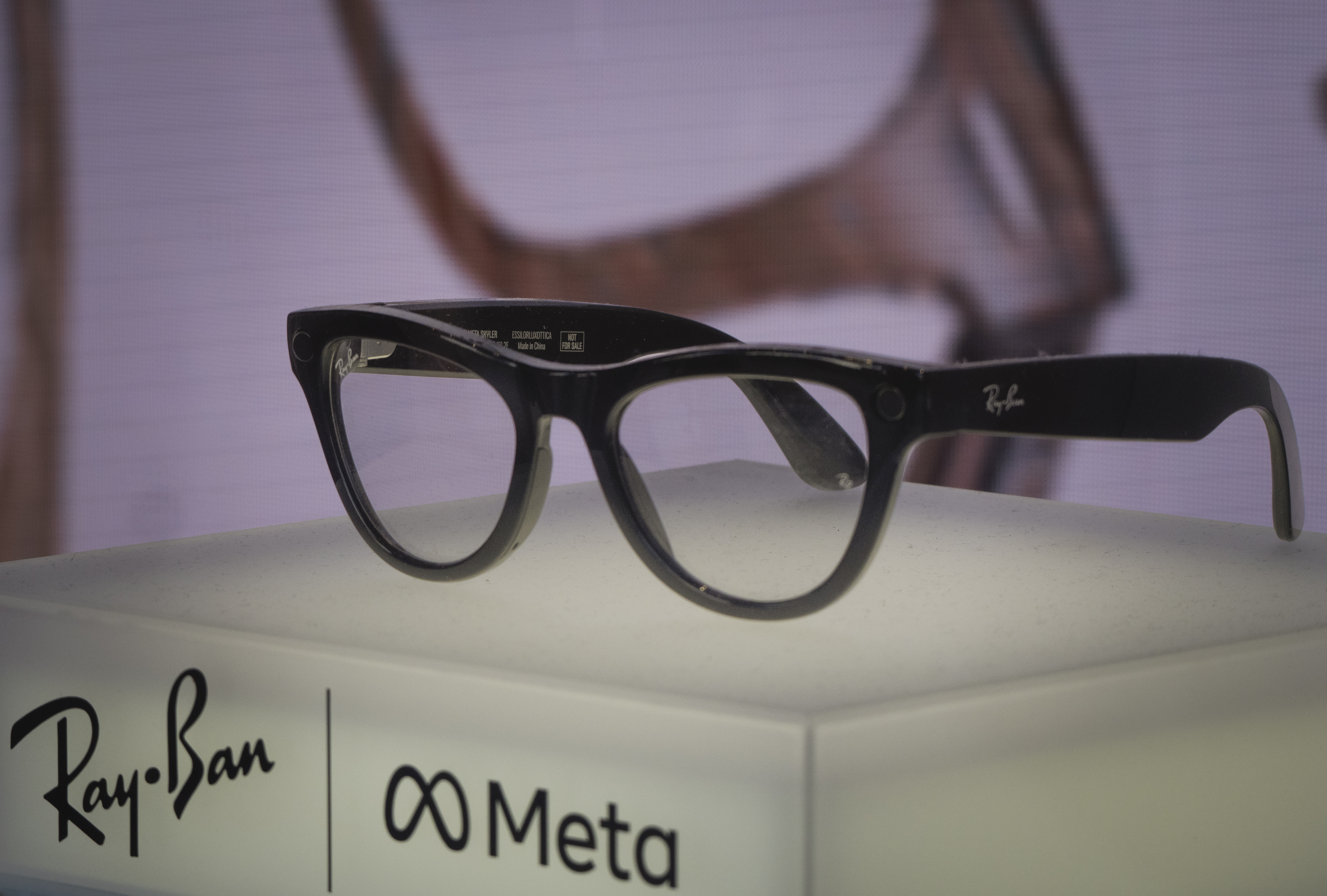
The tech giant's upcoming Hypernova smart glasses represent more than another gadget launch. They signal the moment AI wearables shift from novelty to necessity.
Here's what caught my attention: Meta's Ray-Ban glasses already sold 2 million pairs by February 2025. That's real market validation, not hype.
The new Hypernova glasses, expected around $800, will feature integrated displays and gesture controls. But the real story lies in what this means for small business competitiveness.
The Productivity Gap Nobody Talks About
Small and medium enterprises face a brutal reality. They employ over half the workforce but operate at only 47% of the productivity of larger competitors.
That gap represents lost revenue, longer hours, and constant pressure to do more with less.
Meta's betting that wearable AI can close this divide. Smart glasses could give SME teams instant access to customer data, real-time analytics, and automated responses without touching a phone or computer.
The productivity implications are staggering. Workers using AI tools already show measurable gains: customer service agents handle 13.8% more inquiries, business professionals write 59% more documents, programmers code 126% more projects weekly.
Market Forces Are Aligning
The smart glasses market is exploding. Growth projections show expansion from $1.93 billion in 2024 to $8.26 billion by 2030.
That's a 27.3% compound annual growth rate.
Samsung, Google, Snap, and Amazon are all developing competing products. This competition will drive costs down and capabilities up, making enterprise-grade AI tools accessible to smaller businesses.
Meta's strategic play goes deeper than hardware. They're positioning smart glasses as smartphone replacements, creating direct connections between users and AI systems.
For SMEs, this could mean seamless integration between customer interactions, data analysis, and automated responses.
What This Means For Small Business
The convergence is clear: AI-powered wearables are becoming practical business tools, not just consumer gadgets.
Smart glasses could transform how small teams operate. Imagine hands-free access to CRM data during client meetings, instant translation for international calls, or real-time inventory updates while walking the warehouse floor.
The key question isn't whether this technology will arrive. It's whether small businesses will be ready to adopt it when costs become reasonable.
Meta's announcement validates the wearable AI trend. But success will depend on making these tools as simple and intuitive as smartphones became.
The businesses that recognize this shift early and prepare their teams for AI integration will gain significant competitive advantages. Those that wait will find themselves further behind their more agile competitors.
The future of business AI isn't happening in some distant tomorrow. It's happening now, one smart glasses announcement at a time.
