OpenAI's Internal Messages Expose The AI Trust Problem
OpenAI's Internal Messages Expose The AI Trust Problem
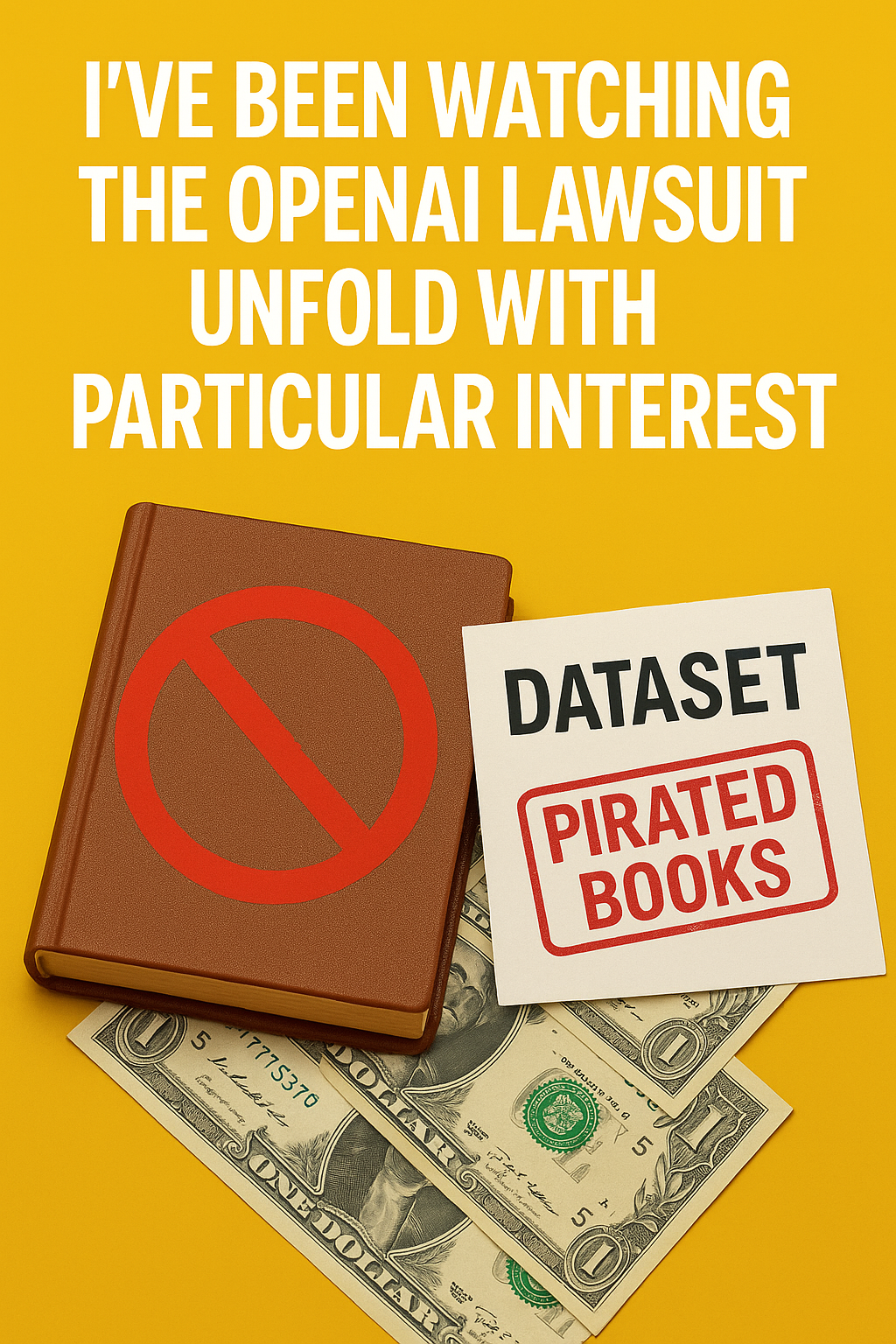
I've been watching the OpenAI lawsuit unfold with particular interest.
Not because I enjoy corporate drama, but because what's happening behind closed doors at big tech companies affects every small business adopting AI today.
Authors and publishers just gained access to internal Slack messages from OpenAI discussing the deletion of pirated books datasets. If willful infringement is proven, damages could hit $150,000 per work.
That's not just a legal problem for OpenAI. It's a transparency problem for the entire AI industry.
The Gap Between Innovation and Implementation
Here's what concerns me most. Small businesses are racing to adopt AI, and for good reason. The efficiency gains are real. The competitive pressure is intense.
But 42% of small businesses say they lack the expertise to deploy AI successfully. Another 60% cite a fundamental gap in understanding how to apply these tools to their operations.
That's a dangerous combination. Rapid adoption plus limited expertise equals implementation without proper oversight.
The OpenAI situation highlights exactly what happens when innovation moves faster than ethical frameworks. Internal conversations about copyright concerns suggest the company knew there were questions about their training data. But transparency took a back seat to speed.
SMEs face a similar risk. When you're implementing AI for customer service, content creation, or sales automation, are you asking the right questions about data sources, training methods, and disclosure requirements?
What Responsible AI Adoption Actually Looks Like
The solution isn't to avoid AI. That ship has sailed, and honestly, it would be a mistake.
The solution is intentional implementation. That means understanding what you're adopting, who built it, and how it works.
At Ascendea, we've built our platform around the principle that transparency creates trust. Our AI voice agents and automation tools are designed to empower small businesses with enterprise-level capability, but we're clear about what the technology does and how it operates.
Only 31% of small businesses feel prepared for AI compliance requirements. That number should concern every entrepreneur watching regulatory frameworks develop in real time.
Here's what I recommend. Before you implement any AI tool, ask three questions:
Can the vendor explain how their models are trained? If they can't or won't, that's a red flag.
What disclosure requirements exist for your industry? Marketing, healthcare, and financial services all have different standards.
How will you communicate AI use to your customers? Transparency isn't just ethical. It's strategic. Customers reward honesty.
The Competitive Advantage of Doing It Right
The businesses that will win in the AI era aren't just the ones that adopt fastest. They're the ones that adopt smartest.
That means balancing innovation with integrity. It means asking hard questions about the tools you're implementing. It means being transparent with your team and your customers about how AI fits into your operations.
The OpenAI lawsuit is a reminder that shortcuts have consequences. For a tech giant, that might mean billions in damages. For an SME, it could mean lost customer trust or regulatory penalties you can't afford.
We're at an inflection point. AI adoption is accelerating across every industry. The question isn't whether you'll use these tools. It's whether you'll use them responsibly.
Choose partners who prioritize transparency. Implement with intention. Communicate openly with your customers.
That's how you build sustainable growth in an AI-powered world.
